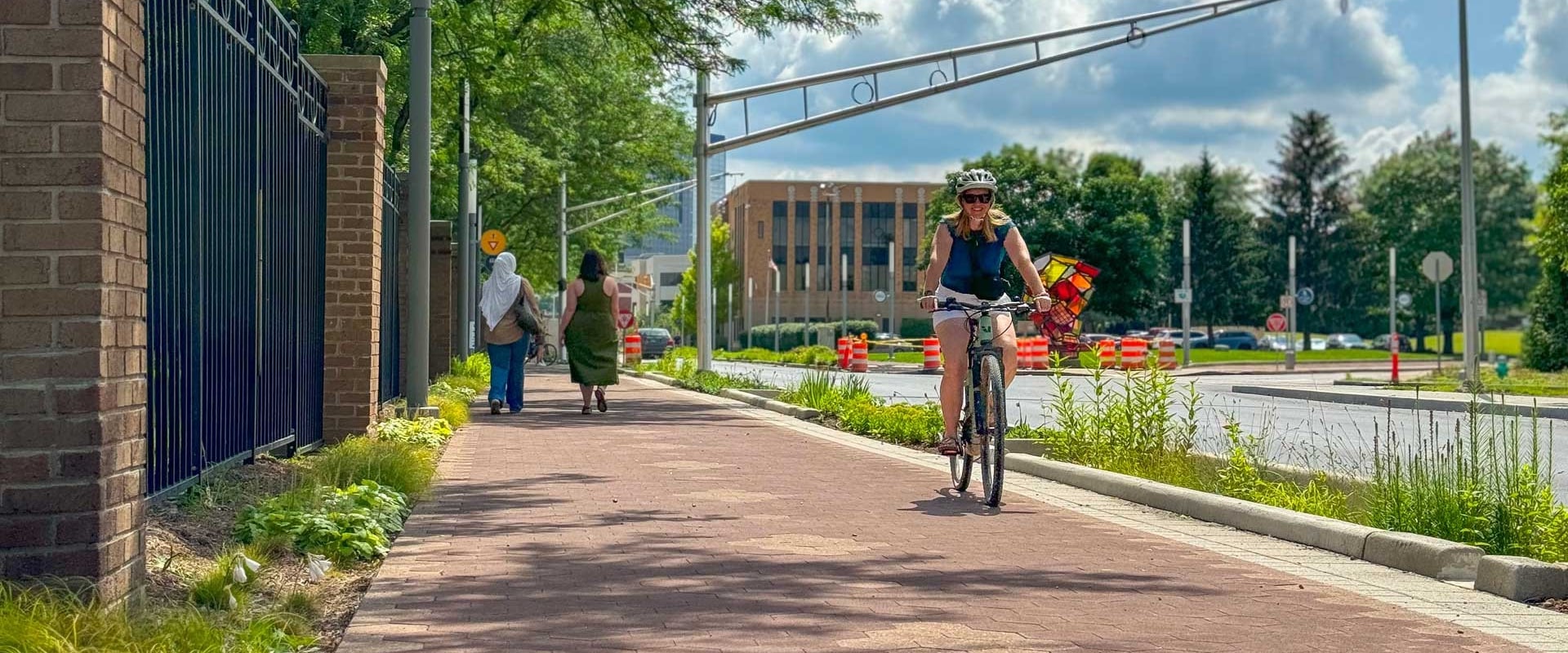
As communities around the world grapple with the pressing challenges posed by climate change, local governments are stepping up to the plate, spearheading innovative and impactful green initiatives. In the heart of the Midwest, Indianapolis stands as a prime example of how municipal action can drive sustainability and environmental stewardship. This article delves into the various green initiatives launched by the local government in Indianapolis, showcasing efforts that not only aim to reduce the city's carbon footprint but also enhance the quality of life for its residents. From ambitious recycling programs to the promotion of renewable energy sources, Indianapolis is paving the way for a greener future. But what exactly are these initiatives, and how are they being implemented? In exploring these questions, we will uncover the multifaceted strategies that the city employs to engage its citizens and foster a culture of environmental responsibility. Join us on this journey as we explore the innovative projects that are transforming Indianapolis into a model of sustainability, highlighting how local policies can make a significant impact in the fight against climate change while also building a resilient community.
Whether you are a resident, a policymaker, or simply an interested observer, understanding these local green initiatives is crucial as we all play a part in shaping the future of our planet. Indianapolis has been making strides towards sustainability through a range of green initiatives aimed at promoting environmental responsibility within local governance. These initiatives reflect a growing recognition of the importance of sustainability in enhancing both the environment and the quality of life for residents. Recent developments have highlighted an increasing interest among the community in eco-friendly policies, indicating a shift towards more sustainable living practices. One of the cornerstone efforts of the Indianapolis government is its comprehensive waste reduction programs. The city has implemented robust recycling programs that encourage residents to participate actively in minimizing waste.
These programs have not only increased recycling rates but have also helped to educate the public on the importance of reducing landfill contributions. The city's commitment to waste management is evident in its continuous efforts to expand recycling services and improve accessibility for residents. In addition to waste management, Indianapolis has been proactive in promoting renewable energy projects. The city has set ambitious goals for increasing its reliance on renewable energy sources, such as solar and wind power. Partnerships with local organizations and businesses have been formed to facilitate the installation of solar panels on public buildings and homes, providing incentives for residents to switch to cleaner energy options.
These initiatives are critical in reducing the city's overall carbon footprint and contributing to a more sustainable future. Urban green spaces also play a significant role in the city’s green initiatives. The government has prioritized the creation and maintenance of parks and green areas, recognizing their importance for both environmental health and community well-being. Programs that involve tree planting and landscaping not only enhance aesthetic appeal but also contribute to improved air quality and biodiversity. Collaborations with local environmental groups have led to successful tree-planting campaigns that engage residents, further fostering a sense of community responsibility towards nature. Another vital aspect of these initiatives is the emphasis on community education regarding sustainability practices.
The Indianapolis government has launched various outreach programs aimed at informing residents about eco-friendly habits, such as composting, energy conservation, and sustainable transportation options. Workshops, informational sessions, and community events have been organized to encourage participation and dialogue around these topics, demonstrating a commitment to building an environmentally conscious community. In terms of transportation, efforts are being made to enhance public transport options as a means to reduce carbon footprints across the city. Initiatives aimed at expanding bus routes, improving cycling infrastructure, and promoting carpooling have been introduced as part of a broader strategy to decrease reliance on personal vehicles. These transportation improvements not only contribute to lower emissions but also provide residents with more accessible and convenient commuting options. Recent legislation has supported these initiatives by allocating funding for various sustainability projects.
The city council has passed measures that prioritize environmental investments, ensuring that financial resources are directed towards effective programs that promote sustainability. This legislative support has been crucial in enabling the implementation of initiatives that might otherwise struggle due to budget constraints. However, these green initiatives are not without their challenges. Budget constraints often pose significant obstacles, as funding is required for ongoing programs and new projects alike. Additionally, public awareness remains a critical issue; while many residents express interest in sustainable practices, there may be gaps in knowledge or understanding that hinder widespread participation.
To address these challenges, continued education and advocacy efforts are essential in fostering greater public engagement. The impact of these initiatives has been measurable in several ways. Increased recycling rates and enhanced urban green spaces contribute positively to local ecosystems, while community engagement levels have risen as residents become more involved in sustainability practices. Surveys indicate that many Indianapolis residents feel a greater sense of pride in their community as a result of these efforts, highlighting the social benefits alongside environmental gains. In conclusion, the various To address these challenges, continued education and advocacy efforts are essential in fostering greater public engagement. The impact of these initiatives has been measurable in several ways. Increased recycling rates and enhanced urban green spaces contribute positively to local ecosystems, while community engagement levels have risen as residents become more involved in sustainability practices. Surveys indicate that many Indianapolis residents feel a greater sense of pride in their community as a result of these efforts, highlighting the social benefits alongside environmental gains. In conclusion, the various green initiatives undertaken by the Indianapolis government demonstrate a strong commitment to sustainability and environmental responsibility. Through comprehensive waste reduction programs, renewable energy projects, urban greening efforts, and community education, Indianapolis is paving the way for a more sustainable future while enhancing the quality of life for its residents.
Waste Reduction and Recycling Programs
In recent years, Indianapolis has made significant strides in implementing waste reduction and recycling programs aimed at fostering a more sustainable community.These initiatives are designed to minimize landfill waste while promoting responsible disposal practices among residents. One of the standout programs is the city’s curbside recycling program, which allows residents to easily recycle materials such as plastics, metals, and paper from the convenience of their homes. This program not only simplifies the recycling process but also encourages higher participation rates within the community. Additionally, the city has launched various educational campaigns to raise awareness about waste reduction. These initiatives focus on informing residents about the importance of recycling and providing practical tips on how to reduce waste in their daily lives. Workshops, community events, and informational resources are made available to equip residents with the knowledge they need to make sustainable choices. Another key aspect of Indianapolis’ approach to waste management is the promotion of composting.
The city offers resources and guidelines for residents interested in starting their own composting systems, thereby diverting organic waste from landfills and enriching local soils. Through these comprehensive waste reduction and recycling programs, Indianapolis is not only making progress towards environmental sustainability but also enhancing the overall quality of life for its residents by fostering a cleaner and healthier community.
Renewable Energy Projects
In recent years, Indianapolis has made significant strides in promoting renewable energy projects aimed at increasing the city’s reliance on sustainable power sources. Local government initiatives have focused on enhancing the use of solar energy and establishing collaborations for wind energy, reflecting a growing commitment to environmental responsibility. One of the key developments in this area has been the expansion of solar panel installations throughout the city. The local government has partnered with various organizations to provide incentives for homeowners and businesses to install solar panels, making it easier for residents to embrace clean energy solutions. These initiatives not only contribute to reducing greenhouse gas emissions but also help lower electricity bills for those who participate. Furthermore, Indianapolis has engaged in collaborations with nearby regions to harness wind energy.By investing in wind farms and supporting legislation that promotes wind energy development, the city aims to diversify its energy portfolio while creating jobs in the renewable energy sector. This collaborative approach not only enhances energy security but also positions Indianapolis as a leader in sustainable energy practices. The focus on renewable energy is not just about environmental benefits; it also plays a crucial role in improving the overall quality of life for residents. By fostering a cleaner, greener city, these projects enhance public health, promote community well-being, and encourage residents to take pride in their local government's commitment to sustainability.
Community Engagement in Sustainability
Community engagement plays a crucial role in the success of green initiatives implemented by local governments. In Indianapolis, various programs have been established to involve residents actively in sustainability efforts.These initiatives not only foster a sense of community but also empower individuals to make meaningful contributions toward a healthier environment. One notable program is the Indianapolis Green Team, which invites residents to participate in volunteer opportunities focused on environmental stewardship. From tree planting events to park clean-ups, these activities allow citizens to work alongside local leaders and organizations, enhancing community bonds while promoting eco-friendly practices. In addition to volunteer efforts, educational workshops are organized throughout the year to raise awareness about sustainability. These workshops cover diverse topics, such as composting, energy conservation, and sustainable gardening. By providing residents with practical knowledge and skills, these sessions encourage them to implement sustainable practices in their own lives. Moreover, local government agencies often collaborate with schools and community centers to create programs aimed at engaging younger generations.
Initiatives like school garden projects not only educate students about the importance of environmental responsibility but also instill a lifelong commitment to sustainability. Overall, the combination of volunteer opportunities and educational programs fosters a culture of sustainability within the community. As more residents participate in these initiatives, the collective impact on Indianapolis's environmental health and community well-being becomes increasingly significant.
Urban Green Spaces
The city of Indianapolis has recognized the critical role that urban green spaces play in enhancing community well-being and promoting environmental sustainability. In recent years, local government initiatives have focused on expanding and improving parks, community gardens, and other green areas to foster biodiversity and provide residents with recreational opportunities. One significant effort has been the development of new parks and the revitalization of existing ones. These spaces not only serve as vital habitats for various plant and animal species but also act as essential gathering spots for families and individuals looking to enjoy the outdoors.By investing in these areas, the city aims to create a more inviting urban landscape that encourages outdoor activities, social interactions, and a sense of community. Community gardens have also become a focal point in the city's green initiatives. These gardens allow residents to engage in sustainable practices by growing their own food while promoting environmental awareness. Moreover, they serve as educational platforms where individuals can learn about gardening, nutrition, and the importance of local ecosystems. This not only contributes to food security but also strengthens community ties as neighbors come together to cultivate these shared spaces. In addition to enhancing biodiversity and recreational opportunities, these green initiatives positively impact the overall quality of life in Indianapolis.
Studies have shown that access to parks and green spaces can reduce stress, improve mental health, and encourage physical activity. As such, the city’s commitment to expanding urban green spaces reflects its dedication to fostering a healthier, more sustainable urban environment for all residents. In conclusion, the exploration of green initiatives by local government in Indianapolis reveals a commitment to sustainability that is both essential and impactful. From waste reduction and recycling programs to innovative renewable energy projects, these efforts demonstrate a proactive approach to environmental stewardship. The development of urban green spaces not only enhances the aesthetic appeal of our city but also contributes to the overall quality of life for residents.
Furthermore, the emphasis on community engagement in sustainability underscores the collective responsibility we share in fostering a healthier environment. As we move forward, it is crucial for residents to recognize the significance of these initiatives and their role in shaping a sustainable future for Indianapolis. We encourage you to get involved in local green initiatives, whether through volunteering, attending community meetings, or simply staying informed about upcoming projects that will impact your neighborhood. Together, we can contribute to a greener, more sustainable city.