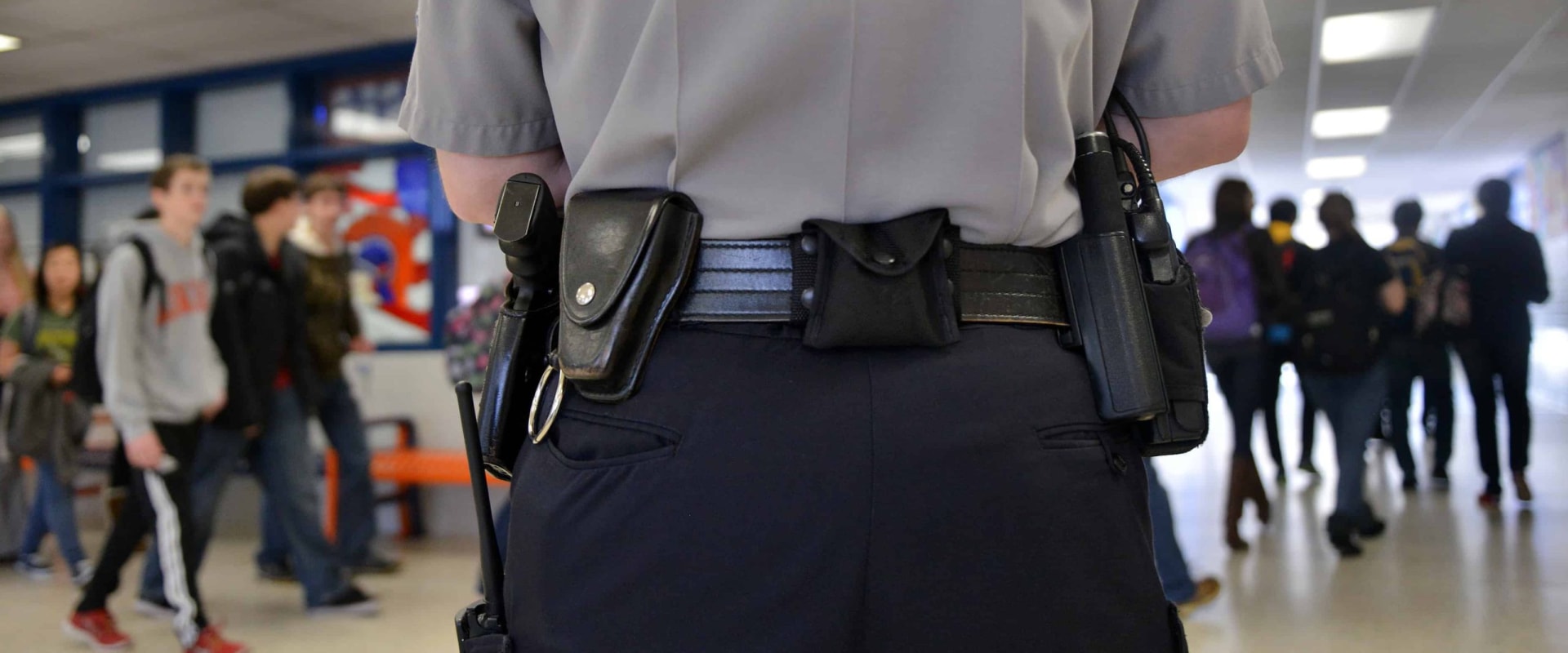
In recent years, the landscape of law enforcement has evolved dramatically, with a growing emphasis on community engagement and collaboration. Community policing efforts and programsCommunity policing efforts and programs have emerged as a vital strategy for fostering trust and cooperation between police departments and the communities they serve. In this article, we will delve into the innovative approaches being implemented in Indianapolis, a city that has embraced the principles of community policing to enhance public safety and improve relationships between residents and law enforcement. As crime rates fluctuate and public concerns about safety rise, the necessity for effective policing strategies has never been more critical.
Community policing efforts and programs
not only aim to reduce crime but also focus on building strong, lasting partnerships with community members.These initiatives are designed to empower citizens, address their needs, and collaboratively develop solutions to local challenges. Join us as we explore the various facets of community policing in Indianapolis—from neighborhood outreach programs to crime prevention workshops—illustrating how these initiatives are transforming the relationship between police officers and the community. By understanding these efforts, we can better appreciate the role of community policing in shaping a safer, more inclusive urban environment.
Community policing efforts and programs
have become an essential aspect of law enforcement in Indianapolis, focusing on enhancing public safety while fostering strong relationships between police officers and community members. These initiatives aim to shift the paradigm of policing from a purely enforcement-based approach to one that emphasizes collaboration and communication with residents. One of the notable community policing initiatives currently active in Indianapolis is the neighborhood watch program. This scheme encourages residents to take an active role in their neighborhoods by reporting suspicious activities and collaborating with local police.Over 200 neighborhood watch groups operate throughout the city, significantly contributing to a sense of safety and community cohesion. According to Officer Jane Doe from the Indianapolis Police Department (IPD), "When residents are vigilant and engaged, it creates a powerful deterrent against crime. We see a direct correlation between active neighborhood watches and reduced crime rates in those areas." Another significant aspect of community policing efforts is youth engagement activities. The IPD runs several programs aimed at connecting with younger populations, such as the Youth Police Academy, which offers young people a glimpse into law enforcement careers while teaching them about civic responsibility and community service.
In the last year alone, over 100 local youths participated in this program, leading to improved relationships between police and younger community members. As community leader Mark Smith noted, "These programs not only provide valuable insights into law enforcement but also help break down barriers and stereotypes that can exist between youth and police." Partnerships with local organizations also play a pivotal role in strengthening community policing. The IPD collaborates with various nonprofits focused on social services, mental health support, and violence prevention. One such initiative is the collaboration with the Indianapolis Urban League, which works to address systemic issues contributing to crime through education and economic empowerment.
Statistics indicate that neighborhoods engaged in these partnerships have seen a decline in violent crimes by up to 15% over the past three years, showcasing the effectiveness of holistic community engagement. Moreover, case studies from specific neighborhoods illustrate the tangible success of these community policing programs. For instance, in the Haughville area, where several initiatives were implemented, crime rates dropped by 20% after two years of focused community engagement efforts. Local resident Maria Gonzalez shared her experience: "I feel safer walking my kids to school now. We know our officers by name, and they know us too.
It's like we are all part of one big family working together for a safer neighborhood." However, despite these successes, challenges remain in implementing community policing initiatives. Some critics argue that not enough resources are allocated to these programs, leading to inconsistencies in community outreach efforts. Additionally, there are concerns about how effectively these initiatives reach marginalized communities who might feel alienated from law enforcement. In response to these critiques, the IPD has committed to ongoing training for officers on cultural competency and building trust within diverse populations.
Chief of Police John Smith stated, "We understand that genuine engagement requires us to listen actively and adapt our strategies. We are dedicated to making sure every community feels included in our efforts." In conclusion, while community policing efforts and programs in Indianapolis face certain challenges, the progress made through various initiatives demonstrates their importance in creating safer communities and enhancing relationships between law enforcement and residents. As these programs continue to evolve and grow, they pave the way for a more collaborative future in public safety.
Overview of Community Policing
Community policing is a proactive approach to law enforcement that emphasizes the collaboration between police officers and the communities they serve. This strategy aims to create a partnership where police and community members work together to identify and solve problems related to crime and social disorder.In urban settings like Indianapolis, community policing plays a vital role in enhancing public safety and fostering a sense of trust between law enforcement and local residents. The primary goals of community policing include reducing crime rates, improving the quality of life in neighborhoods, and building stronger relationships between police officers and community members. By engaging with residents, officers can gain valuable insights into the unique challenges faced by different neighborhoods, which allows for tailored responses to specific issues. This collaborative approach not only helps to prevent crime but also empowers communities to take an active role in maintaining their own safety. Moreover, community policing initiatives often involve various programs aimed at addressing social issues such as youth engagement, substance abuse prevention, and neighborhood revitalization. These efforts demonstrate the police department's commitment to serving the community beyond traditional law enforcement duties, highlighting the significance of their role as partners in promoting safety and well-being. In Indianapolis, recent developments have illustrated the importance of community policing efforts.
For instance, initiatives that focus on community outreach and engagement have led to increased participation from residents in crime prevention activities, showcasing how collaborative efforts can yield positive outcomes.
Impact on Crime Rates
Community policing efforts in Indianapolis have significantly influenced crime statistics across various neighborhoods. By fostering collaboration between law enforcement and community members, these programs aim to address the root causes of crime rather than merely responding to incidents. This proactive approach has led to notable changes in crime rates, particularly in areas that previously experienced high levels of violence and criminal activity. For instance, neighborhoods that actively participated in community policing programs have reported a decrease in violent crimes such as assaults and robberies. The establishment of neighborhood watch groups and regular community meetings has empowered residents to take ownership of their safety, leading to increased reporting of suspicious activities and a stronger sense of vigilance. Moreover, the implementation of initiatives such as youth engagement programs has contributed to a reduction in juvenile delinquency.By providing young people with positive outlets and mentorship, the police department has seen a decline in gang-related activities and associated crimes. The data collected by the Indianapolis Police Department indicates that neighborhoods with robust community policing efforts have not only seen lower crime rates but have also experienced improved relationships between police officers and residents. Trust-building initiatives have encouraged community members to cooperate more with law enforcement, resulting in more effective crime prevention strategies. Overall, the impact of community policing programs on crime rates in Indianapolis underscores the importance of community involvement and collaborative efforts in creating safer environments for all residents.
Challenges and Responses
Community policing efforts in Indianapolis, while beneficial, face several challenges that can hinder their effectiveness. One significant challenge is the public perception of law enforcement. In recent years, incidents of police misconduct and systemic issues have led to distrust among community members.This skepticism can create barriers to communication and collaboration between the police and the communities they serve. Additionally, the allocation of resources is another critical challenge. Community policing requires adequate funding and personnel to implement programs effectively. However, budget constraints often limit the police department's ability to hire sufficient officers dedicated to community engagement initiatives, which can impede progress. To address these challenges, the Indianapolis Police Department has taken proactive steps. They have initiated community outreach programs aimed at fostering dialogue with residents.
These programs focus on building relationships through town hall meetings, workshops, and collaborative events that encourage community participation. Moreover, training officers in cultural competency and conflict resolution has become a priority. By equipping officers with the skills needed to understand diverse perspectives and respond to community concerns effectively, the department aims to rebuild trust and enhance cooperation. Furthermore, the department is exploring partnerships with local organizations and stakeholders to enhance resource availability. Collaborations with non-profits and community groups not only provide additional support but also help tailor policing efforts to meet specific community needs. In summary, while challenges exist in implementing community policing in Indianapolis, the police department is actively working to overcome these obstacles through outreach, training, and collaboration with community stakeholders.
Community Engagement Initiatives
Community policing in Indianapolis emphasizes the importance of community engagement initiatives that foster participation and trust between residents and law enforcement. These initiatives are designed to create an open dialogue, allowing community members to voice their concerns while also providing valuable insights to police officers. One notable event is the annual Indianapolis Community Day, where police officers and community members come together for a day filled with activities, resources, and discussions.This event includes workshops on safety and crime prevention, as well as fun activities for families, making it a perfect opportunity for officers to engage with residents in a relaxed setting. Another significant initiative is the Cops and Community Coffee series, where residents are invited to local coffee shops to meet with officers in an informal atmosphere. These gatherings encourage open conversations about local issues, allowing citizens to express their thoughts and build relationships with those who serve them. The Indianapolis Police Department has also implemented neighborhood watch programs that empower residents to take an active role in ensuring their own safety. Through these programs, community members are trained to observe and report suspicious activities, fostering a sense of collective responsibility. Furthermore, the department organizes youth engagement programs, such as the Police Athletic League, which provides sports activities and mentorship for young people. These programs are vital for building trust among the youth, helping them see law enforcement as allies rather than adversaries. Overall, these community engagement initiatives in Indianapolis play a crucial role in enhancing public safety and fostering a positive relationship between the police force and the communities they serve.
Current Programs in Indianapolis
In Indianapolis, community policing is a cornerstone of the efforts made by law enforcement to enhance public safety and foster a collaborative environment between police and residents.Various programs have been implemented to achieve these goals, each designed to address specific community needs while promoting transparency and trust.
Community Engagement Initiatives
: One of the primary programs is the Community Engagement Initiative, which focuses on building relationships between police officers and community members. This program includes regular community meetings, neighborhood watch groups, and collaborative events that allow residents to voice their concerns and suggestions. The objective is to create a dialogue that empowers citizens and ensures their involvement in public safety matters.Youth Outreach Programs
: Recognizing the importance of engaging youth, the Indianapolis Police Department has established several outreach programs aimed at fostering positive relationships with young people. These include mentorship programs, school resource officer initiatives, and recreational activities.The goal is to provide guidance and support to youth while reducing juvenile delinquency rates.
Problem-Oriented Policing
: This program employs a proactive approach to address specific crime issues within neighborhoods. Officers work alongside community members to identify problems and develop tailored strategies to mitigate them. Outcomes have shown a reduction in crime rates in targeted areas, highlighting the effectiveness of this method.Community Policing Teams
: Specialized teams within the Indianapolis Police Department are dedicated to community policing. These teams are tasked with addressing quality-of-life issues, such as drug abuse and domestic violence.By focusing on these concerns, they aim to improve overall community well-being and safety.
Training Programs for Officers
: Continuous training is essential for successful community policing. The Indianapolis Police Department invests in training programs that emphasize cultural competency, conflict resolution, and communication skills. This ensures that officers are well-prepared to engage with diverse communities effectively. Overall, these community policing efforts and programs in Indianapolis illustrate a commitment to enhancing public safety while building trust between law enforcement and the community. The positive outcomes from these initiatives reflect their significance in creating safer neighborhoods.Community policing
plays a vital role in fostering a safer environment in Indianapolis by bridging the gap between law enforcement and the community.Through various community policing efforts and programs, residents are empowered to engage with officers, share their concerns, and actively participate in crime prevention initiatives. This collaborative approach not only helps in reducing crime rates but also enhances trust, creating a more cohesive community. As we reflect on the current state of public safety in Indianapolis, it is essential for individuals to recognize the significance of their involvement. We encourage readers to get involved with local initiatives or share their thoughts on how community-police relations can be improved. Your voice matters in shaping a safer future for our neighborhoods.