In a rapidly growing city like Indianapolis, updates on public transportation projects are more than just news—they represent a vital lifeline for residents and visitors alike. As the heart of Indiana, Indianapolis is not only known for its vibrant culture and sports but also for the ongoing efforts to enhance its public transit system. With the city poised for significant growth, the need for efficient and reliable transportation options has never been more pressing. Whether you're commuting to work, exploring the city's attractions, or simply navigating through the urban landscape, understanding the latest developments in public transportation is essential. This article delves into the current initiatives and future plans that are shaping the transportation infrastructure of Indianapolis, shedding light on how these projects will impact daily life for thousands. From improved bus routes to innovative transit solutions, we will explore how government policies and initiatives are paving the way for a more interconnected city.
Join us as we uncover the latest updates and what they mean for residents, as well as how these changes reflect broader trends in urban development and public policy. Public transportation plays a crucial role in the daily lives of residents in Indianapolis, impacting everything from commuting patterns to the local economy. As the city continues to grow, the need for efficient and reliable public transit options has never been more important. Recent developments in public transportation projects aim to enhance accessibility and improve the overall quality of life for all residents. This article discusses the latest updates on major public transportation initiatives currently underway or proposed within the city. One of the most significant projects is the Blue Line expansion, which aims to connect several key neighborhoods to downtown Indianapolis, making it easier for commuters to access their workplaces, schools, and other essential services.
This expansion is expected to not only reduce travel times but also encourage more residents to utilize public transit instead of personal vehicles. City officials have highlighted that this project is part of a broader strategy to promote sustainable transportation options and reduce traffic congestion in urban areas. In addition to the Blue Line expansion, there have been considerable improvements to bus services. The city has invested in upgrading existing bus routes, increasing frequency, and expanding service hours to better meet the needs of its residents. Community feedback has been instrumental in shaping these changes, with numerous community meetings held to gather input from local residents.
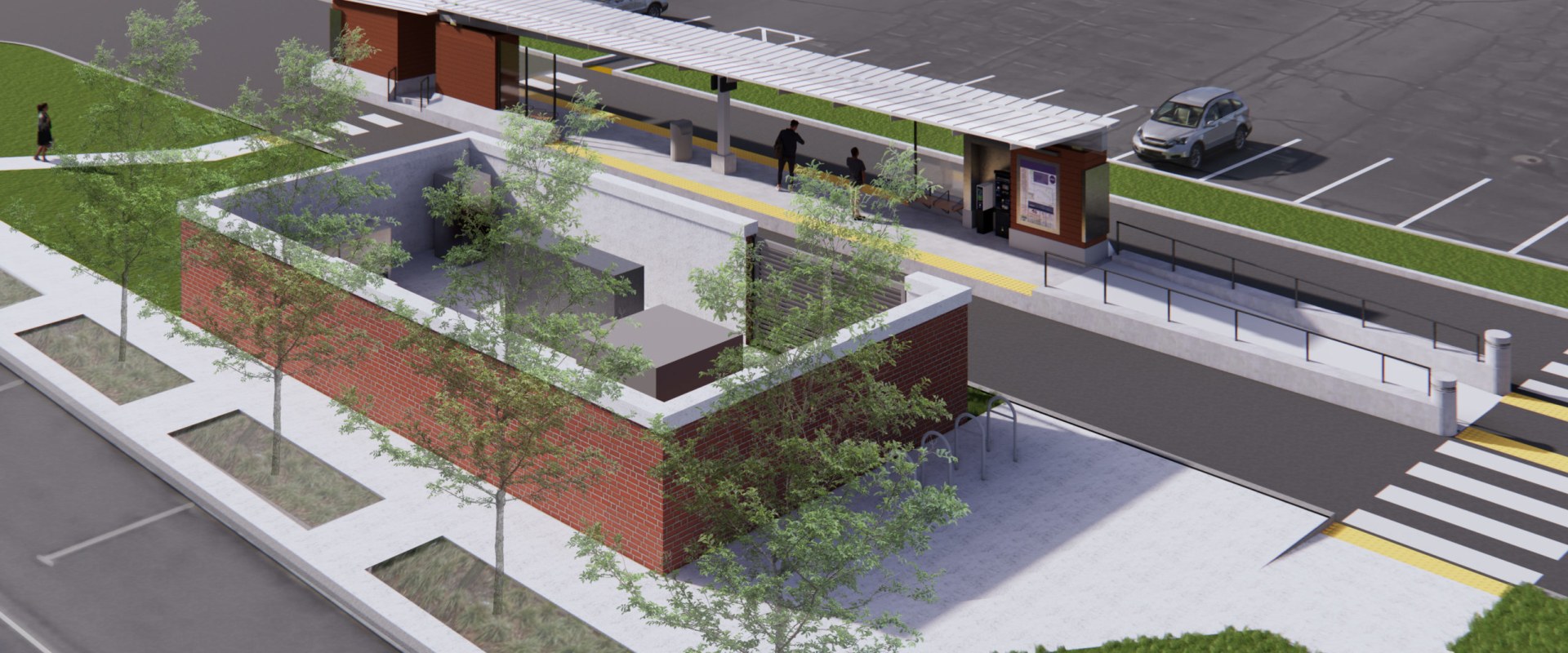
This engagement demonstrates a commitment from city officials to prioritize public opinion in the decision-making process. Infrastructure enhancements are also a focal point for public transportation projects in Indianapolis. Recent investments in bus stops, shelters, and transit hubs aim to create a more user-friendly environment for commuters. These enhancements are not just about aesthetics; they also address safety concerns by providing better lighting and accessibility features for individuals with disabilities. Stakeholders, including advocacy groups for persons with disabilities, have been actively involved in discussions surrounding these improvements to ensure that all voices are heard. Funding for these projects comes from a combination of federal grants, state funding, and local tax revenues.
The city has actively pursued partnerships with various agencies to secure necessary financing. For instance, recent federal grants have been allocated specifically for public transit initiatives, reflecting a growing recognition of the importance of public transportation as a vital component of urban infrastructure. Comparing current initiatives with past efforts reveals both progress and setbacks. Previous attempts at expanding public transportation faced challenges such as budget constraints and community opposition. However, recent developments indicate a shift towards more collaborative planning processes that involve stakeholders from the outset.
City officials emphasize that learning from past experiences has led to more effective project implementations today. Local residents have expressed mixed feelings about the ongoing projects. While many are excited about the potential improvements in public transit options, there are concerns regarding environmental impacts and accessibility issues. Some community members fear that expansions may lead to increased traffic congestion in certain areas or contribute to gentrification. Others have raised questions about how these projects will accommodate the needs of low-income residents who rely heavily on public transportation. Statistics underscore the importance of addressing these concerns: according to recent studies, over 30% of Indianapolis residents depend on public transit for their daily commutes.
As such, ensuring that public transportation projects are sustainable and equitable is paramount for city officials. Engaging with community members through surveys and town halls has become a priority as leaders seek to address any apprehensions regarding these developments. In conclusion, the latest developments in public transportation projects within Indianapolis demonstrate a significant commitment to enhancing transit options for residents. With projects like the Blue Line expansion, improvements to bus services, and ongoing infrastructure enhancements, the city is making strides toward creating a more efficient and accessible public transportation system. However, it is essential that city officials continue to engage with residents and address any concerns related to environmental impacts and accessibility issues as these initiatives move forward. The importance of public transportation in Indianapolis cannot be overstated.
It serves as a vital lifeline for daily commuters, facilitating their travel to work, school, and other essential destinations. Efficient public transportation contributes significantly to the local economy by enabling access to job opportunities and enhancing productivity. Furthermore, it plays a crucial role in improving the overall quality of life for residents by reducing traffic congestion, lowering carbon emissions, and providing affordable transportation options. Recent developments in public transportation projects have garnered significant public interest, particularly the ambitious expansion of the Blue Line. This project aims to enhance connectivity between key neighborhoods and employment centers, making it easier for residents to access vital services.
The proposed route is set to connect downtown Indianapolis with the southwest side of the city, a move that is expected to benefit thousands of commuters. City officials estimate that once completed, this expansion could lead to a 30% increase in ridership along the corridor. In addition to the Blue Line expansion, improvements to bus services are currently underway. The IndyGo system has introduced several initiatives aimed at increasing frequency and reliability, such as extended operating hours and more express routes. These enhancements are designed to address the growing demand for efficient public transport options as the city continues to expand.
Funding for these projects primarily comes from a combination of federal grants, state allocations, and local tax revenue. A recent $10 million grant from the Federal Transit Administration will significantly bolster IndyGo's capacity to implement these improvements. Community involvement has been a cornerstone of these initiatives. Several community meetings have been held to gather input from residents about their transportation needs and concerns. Feedback from these sessions has shaped many aspects of the projects, ensuring that they reflect the priorities of the community.
For instance, local resident Sarah Johnson shared her thoughts during one such meeting, stating, "Improving our bus services means more people can get to work on time and safely. It’s about making our city more accessible for everyone." Such insights underline the importance of stakeholder involvement in the planning process. When comparing current initiatives with past efforts, it is clear that Indianapolis has made significant strides in enhancing its public transportation infrastructure. Previous attempts to improve bus service faced numerous challenges, including limited funding and community resistance. However, this time around, there seems to be a stronger commitment from both city officials and community members alike.
Mayor Joe Hogsett commented on this progress: "We are committed to creating a robust public transportation system that meets the needs of all residents—this is not just about getting from point A to point B; it's about fostering a connected community."Despite the positive momentum, there are public concerns regarding these projects that need to be addressed. Environmental impacts have been a hot topic of discussion among residents worried about increased development leading to urban sprawl and potential harm to green spaces. Additionally, accessibility issues for individuals with disabilities remain a priority as city planners aim for inclusivity in their designs. According to recent studies conducted by local advocacy groups, nearly 20% of public transportation users report accessibility challenges when using current services. To bolster these claims with data, a recent survey revealed that 60% of respondents believe improved public transportation will have a positive impact on their daily lives.
This statistic highlights the community's support for ongoing projects and their recognition of the essential role that public transportation plays in shaping a livable city. As Indianapolis continues to develop its public transportation network through projects like the Blue Line expansion and enhanced bus services, it is crucial for city officials to maintain transparent communication with residents while actively addressing any concerns raised. By fostering an inclusive dialogue and ensuring stakeholder participation, Indianapolis can pave the way for a more efficient and accessible public transportation system that meets the needs of all its citizens.
Comparative Analysis of Past Projects
To understand the current landscape of public transportation in Indianapolis, it is crucial to reflect on previous transportation initiatives that have laid the groundwork for today's efforts. Historical projects, such as the IndyGo Red Line, introduced a bus rapid transit system that significantly altered the commuting experience for many residents. This project not only aimed to reduce travel time but also enhanced connectivity between neighborhoods and essential services. In addition, past investments in light rail systems and bike-sharing programs have had mixed results, offering valuable lessons for future endeavors.While some initiatives have successfully increased ridership and improved accessibility, others faced challenges related to funding and community acceptance. By analyzing these previous projects, we can identify what worked well and what did not, guiding current and future public transportation efforts in Indianapolis. The emphasis on sustainability and efficiency in recent developments also reflects lessons learned from past experiences. For instance, community feedback from earlier projects has prompted local officials to prioritize public engagement and transparency in new proposals, ensuring that the voices of commuters are heard.
Funding and Financial Implications
Public transportation projects in Indianapolis are often funded through a combination of federal, state, and local government resources.Federal funding
typically comes from grants and programs aimed at enhancing public transit infrastructure.The Federal Transit Administration (FTA) plays a crucial role in allocating these funds, which are vital for the development and maintenance of transit systems. In addition to federal support, state funding is also instrumental. The Indiana Department of Transportation (INDOT) provides financial assistance for local transit agencies, ensuring they can operate efficiently and expand their services. Local government initiatives, including budget allocations and tax revenues, further supplement these funds, helping to cover operational costs and project expenses. The financial implications of these public transportation projects extend beyond mere construction costs. They can significantly impact the local economy by creating jobs during the construction phase and sustaining employment through ongoing operations.
Enhanced public transit can lead to increased property values and attract businesses, contributing to a healthier economic environment. Moreover, improved public transportation can reduce congestion and travel times, benefiting daily commuters and enhancing their overall quality of life. However, it is essential to consider the potential long-term financial commitments associated with these projects. Ongoing operational costs, maintenance expenditures, and potential fare adjustments can affect community budgets and taxpayer contributions. Therefore, transparency in funding sources and financial planning is crucial to ensure that these public transportation projects remain sustainable and beneficial for all residents of Indianapolis.
Community Involvement and Feedback
Community involvement has become a cornerstone of the planning process for public transportation projects in Indianapolis.Local residents are increasingly being invited to participate in discussions, workshops, and public forums designed to gather input and insights from those who will be directly affected by these initiatives. This engagement not only helps ensure that the projects meet the needs of the community but also fosters a sense of ownership among residents. Feedback mechanisms have been established to facilitate this participation, allowing residents to express their opinions through surveys, online platforms, and town hall meetings. This direct line of communication has proven invaluable, as it enables project planners to identify key concerns related to accessibility, safety, and route efficiency. Moreover, the feedback received so far has highlighted several recurring themes. Many residents have expressed a strong desire for improved connectivity between neighborhoods and key employment centers.
Others have emphasized the importance of ensuring that public transportation options are affordable and accessible for all demographic groups. The local government has taken these insights seriously, with many recent developments reflecting the community's input. For instance, adjustments in proposed routes and schedules have been made based on resident feedback, showcasing a commitment to integrating community suggestions into the planning process. Overall, fostering community involvement not only enriches the planning process but also enhances public trust in government initiatives. As Indianapolis continues to develop its public transportation infrastructure, ongoing dialogue with residents will be essential to creating a system that truly serves the needs of its diverse population.
Future Outlook
As we look towards the future of public transportation in Indianapolis, several key trends and community needs are likely to shape the upcoming developments.Increased investment
in infrastructure is anticipated, as local government and stakeholders recognize the critical role that efficient public transport plays in enhancing urban mobility. One prominent trend is the push for sustainability.With climate change becoming an increasingly pressing issue, there is a growing demand for greener transportation options. This may lead to the expansion of electric bus fleets and the introduction of bike-sharing programs, making public transportation not only more accessible but also environmentally friendly. Furthermore, community engagement will play a significant role in shaping future initiatives. Public forums and surveys may become more commonplace, allowing residents to voice their opinions on new routes and services. This direct feedback can help ensure that transportation projects align with the needs of the community, promoting a more inclusive approach to urban planning. Technological advancements will also contribute to the evolution of public transport.
The integration of smart technology, such as real-time tracking apps and automated fare systems, could enhance user experience and operational efficiency. With these innovations, commuters may enjoy more reliable services that cater to their schedules. Finally, as Indianapolis continues to grow, the focus on equity in public transportation will be paramount. Ensuring that underserved neighborhoods receive adequate access to transit options can help bridge gaps in mobility and support economic development across the city. In summary, the future of public transportation in Indianapolis looks promising, with a strong emphasis on sustainability, community involvement, technological integration, and equity. These factors will undoubtedly influence upcoming projects and initiatives aimed at improving the overall transit landscape.
Current Projects and Initiatives
In recent years, Indianapolis has made significant strides in enhancing its public transportation system to better serve the community.Several key projects are currently underway, aimed at improving accessibility, efficiency, and overall user experience. One of the flagship initiatives is the Red Line Bus Rapid Transit (BRT) project, which is designed to provide faster and more reliable service across the city. This line connects key areas such as Downtown Indianapolis, Broad Ripple, and University District, allowing commuters to travel with minimal delays. The BRT system includes dedicated bus lanes and improved transit stops, making it an attractive option for daily travelers. Another important development is the expansion of the IndyGo bus network. The ongoing efforts aim to increase the number of routes and frequency of service, particularly in underserved neighborhoods.
This expansion is crucial for ensuring that all residents have access to reliable transportation options, which can enhance job opportunities and access to essential services. The city is also investing in transit-oriented development, which focuses on creating walkable communities near major transit hubs. This approach not only promotes public transit use but also stimulates local economies by attracting businesses and housing developments around these key areas. Additionally, the implementation of sustainability initiatives within public transportation is gaining momentum. This includes the introduction of electric buses to reduce carbon emissions and promote a greener environment in Indianapolis. These eco-friendly measures are part of a broader commitment to sustainable urban development. Overall, these current projects and initiatives reflect Indianapolis's dedication to enhancing its public transportation infrastructure, ultimately benefiting commuters and the local economy.
Current Projects and Initiatives
In Indianapolis, several public transportation projects are currently underway, aimed at enhancing the efficiency and accessibility of the transit system.One of the most significant initiatives is the Red Line Bus Rapid Transit (BRT), which offers a high-capacity transit option that connects key neighborhoods and employment centers. This project is designed to reduce commute times and provide a reliable alternative to personal vehicles. Another notable initiative is the expansion of the IndyGo network, which includes plans for additional bus routes and improved service frequency. The goal is to make public transit more convenient for residents, thereby encouraging its use and reducing traffic congestion. Additionally, the city is investing in infrastructure improvements, such as upgrading bus stops and installing real-time tracking systems. These enhancements not only improve the rider experience but also promote greater usage of public transportation. The ongoing collaboration between local government and community stakeholders ensures that these projects align with the needs of residents and businesses alike.
As these public transportation initiatives progress, they promise to significantly impact the city's transportation landscape, fostering economic growth and improving the quality of life for all Indianapolis residents.
Future Outlook
As Indianapolis continues to evolve, the future of public transportation in the city appears promising, with several key trends and community needs shaping upcoming developments. One significant trend is the increasing push for sustainable and environmentally friendly transit options. As more residents express concerns about climate change and air quality, it is likely that city planners will prioritize electric buses and alternative energy sources to reduce emissions and create a cleaner urban environment. Moreover, the demand for affordable public transit solutions is growing. With the cost of living rising, many Indianapolis residents are advocating for initiatives that enhance accessibility and affordability.This could lead to expanded routes, increased frequency of service, and potentially lower fares, making public transportation a viable option for more commuters. The integration of technology into public transit systems is another area poised for growth. The implementation of real-time tracking apps and contactless payment systems could improve the overall commuter experience, making public transportation more user-friendly and efficient. Furthermore, as remote work becomes more prevalent, there may be shifts in peak travel times and routes, prompting transit authorities to adapt accordingly. Lastly, community engagement will play a crucial role in shaping the future of public transportation in Indianapolis. By actively seeking input from residents through surveys and forums, city officials can better understand the specific needs and preferences of the community.
This collaborative approach can help ensure that future projects not only address current demands but also anticipate long-term trends. In conclusion, while challenges remain, the outlook for public transportation in Indianapolis is bright. With a focus on sustainability, affordability, technological advancement, and community involvement, the city is well-positioned to enhance its transit system in the coming years.
Community Involvement and Feedback
In recent years, public transportation projects in Indianapolis have increasingly prioritized community involvement to ensure that the needs and concerns of local residents are adequately addressed. Engaging the community not only fosters a sense of ownership but also enhances the effectiveness of these initiatives. Various forums, surveys, and public meetings have been organized to gather insights from residents about their experiences and expectations regarding the transit system. Feedback received from these engagements has been instrumental in shaping the direction of public transportation projects.Many residents have expressed a desire for more efficient routes, better accessibility for individuals with disabilities, and improved safety measures at transit stations. Additionally, the community has voiced concerns regarding the environmental impact of new developments, prompting planners to consider sustainable practices in their proposals. Local advocacy groups have played a significant role in amplifying residents' voices. Their efforts have led to increased transparency in the planning process and have ensured that community input is considered during decision-making. As a result, several projects have been adjusted or refined based on the feedback received, demonstrating a commitment to responsive governance. The ongoing dialogue between city officials and community members is crucial for the success of public transportation initiatives.
It not only helps build trust but also ensures that the final outcomes align with the expectations of those who rely on these services daily. Continued engagement will be vital as Indianapolis moves forward with its ambitious plans for enhancing public transportation.
Funding and Financial Implications
The funding for public transportation projects in Indianapolis is a multifaceted issue that involves various sources and financial strategies.Federal funding
plays a crucial role, with the federal government allocating grants through programs such as the Federal Transit Administration (FTA). These grants can cover a significant portion of project costs, easing the financial burden on local governments. In addition to federal support, state funding from the Indiana Department of Transportation also contributes to public transportation initiatives.This funding often comes from fuel taxes, vehicle registration fees, and other transportation-related revenues, all aimed at enhancing the transportation infrastructure. Local funding sources are equally important. Indianapolis has implemented measures such as local option income taxes and property tax levies to finance transportation projects. These local initiatives are designed to ensure that residents contribute to the development of their public transit systems, which in turn benefits their daily commutes and overall quality of life. The financial implications of these funding strategies extend beyond mere project completion. Successful public transportation projects can stimulate the local economy by creating jobs during construction and operational phases.
Furthermore, enhanced public transit options can increase property values and attract new businesses to the area, ultimately leading to a more vibrant community. However, it is essential to consider the long-term sustainability of funding. As projects evolve, ongoing maintenance and operational costs will require continuous investment from both local and state budgets. Communities must weigh these financial commitments against the anticipated benefits of improved public transportation systems. In summary, understanding the funding mechanisms for public transportation projects in Indianapolis is vital for recognizing their potential economic impact. By leveraging a combination of federal, state, and local funds, these initiatives not only aim to enhance transit services but also strive to create a robust economic environment for the city. In conclusion, the latest developments in public transportation projects in Indianapolis highlight the ongoing efforts to enhance the city’s transit system, which is crucial for daily commuters and the local economy.
Key initiatives, including funding strategies and community involvement, are pivotal in shaping a sustainable and efficient public transportation network. It is essential to recognize the significant impact that these projects have on the overall quality of life for residents. By keeping the community informed about updates and changes, we empower individuals to engage in local discussions and advocate for their transportation needs. We encourage our readers to remain active participants in this dialogue and to stay tuned for future updates that will undoubtedly influence Indianapolis's transit landscape.