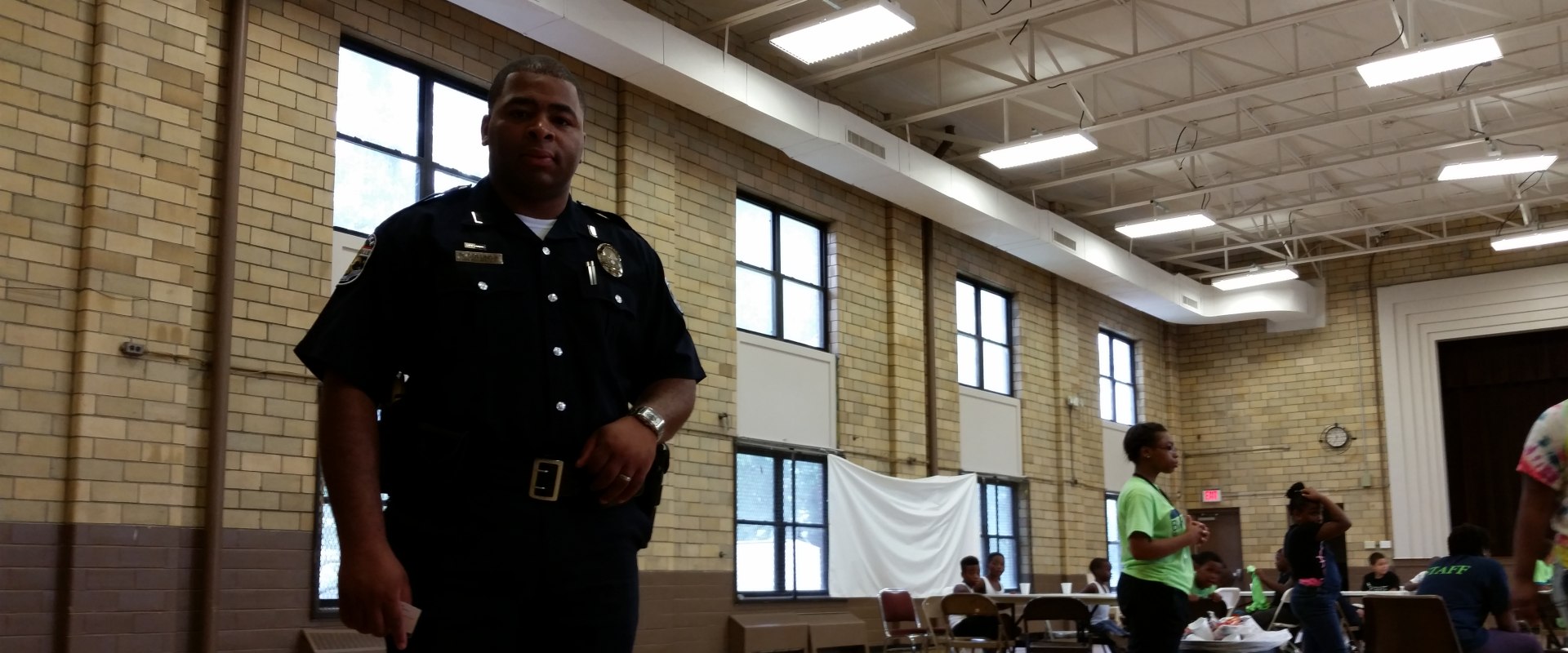
In an era where community safety and trust in law enforcement are more important than ever, public meetings with law enforcement officials serve as a vital bridge between police departments and the communities they protect. In Indianapolis, these gatherings are not merely routine occurrences; they are opportunities for open dialogue, shared experiences, and collaborative problem-solving. As citizens seek to understand the challenges faced by their local police and express their concerns regarding crime and safety, these meetings provide a platform for engagement and transparency. Imagine walking into a room filled with your neighbors, all eager to discuss the pressing issues that affect their daily lives. The atmosphere is charged with anticipation as community members prepare to voice their thoughts and ask questions directly to the men and women in uniform who serve them.
This is the essence of public meetings with law enforcement officials in Indianapolis—an essential forum for fostering trust, accountability, and mutual respect. As we delve deeper into the significance of these public gatherings, we will explore how they not only enhance community relations but also empower citizens to take an active role in ensuring their neighborhoods remain safe and vibrant. Join us as we uncover the multifaceted benefits of engaging with law enforcement through public meetings, highlighting success stories, challenges, and the path forward for a more connected and informed Indianapolis.
Public meetings with law enforcement officials
serve as a crucial platform for enhancing communication between police departments and community members. These gatherings are typically organized by local police departments, often in collaboration with community organizations, to provide a forum where residents can engage directly with law enforcement personnel. The structure of these meetings usually includes a formal presentation by law enforcement officials who share updates on crime statistics, recent events, and departmental initiatives, followed by an open floor for questions and discussions from attendees.The goal is to create a welcoming environment that encourages honest dialogue and facilitates feedback. Attendees at these meetings often include residents from various neighborhoods, community leaders, representatives from local organizations, and sometimes city officials. This diverse participation helps ensure that multiple perspectives are heard, fostering a more comprehensive understanding of the community’s concerns and needs. Additionally, these meetings can attract individuals who might not typically engage with law enforcement, thus broadening the outreach and impact of the police department. The benefits of public meetings with law enforcement officials are manifold. For law enforcement, these gatherings provide an opportunity to share vital information about crime trends and safety measures, helping to build transparency and trust within the community.
By addressing specific concerns raised by residents—such as drug-related issues or traffic safety—the police can better tailor their strategies to meet the unique needs of different neighborhoods. Furthermore, community members benefit from having a direct line to law enforcement, enabling them to voice their concerns and seek clarification on policing practices that affect their daily lives. In Indianapolis, there have been several notable examples of effective public meetings that underscore the positive outcomes of community engagement. For instance, after a series of high-profile incidents involving police conduct, the Indianapolis Metropolitan Police Department organized town hall meetings where residents expressed their concerns about policing practices. The input received during these sessions led to the implementation of new training programs focused on de-escalation techniques and community relations. By addressing specific concerns raised by residents—such as drug-related issues or traffic safety—the police can better tailor their strategies to meet the unique needs of different neighborhoods. Furthermore, community members benefit from having a direct line to law enforcement, enabling them to voice their concerns and seek clarification on policing practices that affect their daily lives. In Indianapolis, there have been several notable examples of effective public meetings that underscore the positive outcomes of community engagement. For instance, after a series of high-profile incidents involving police conduct, the Indianapolis Metropolitan Police Department organized town hall meetings where residents expressed their concerns about policing practices. The input received during these sessions led to the implementation of new training programs focused on de-escalation techniques and community relations.
Additionally, crime statistics shared at these events highlighted specific areas in need of increased police presence, which has since resulted in targeted patrols and community outreach initiatives. However, public meetings with law enforcement officials are not without their challenges. One common criticism is low attendance; many residents may feel disillusioned or skeptical about the effectiveness of such gatherings. Factors contributing to low turnout can include scheduling conflicts, a lack of awareness about the meetings, or a general sense of apathy toward policing issues. Moreover, some attendees may leave with the impression that their feedback is not genuinely valued or acted upon, which can further hinder community involvement in future meetings. Despite these challenges, the role of local media is paramount in promoting these events and ensuring that the public remains informed about important discussions occurring within their communities.
Journalists often cover public meetings with law enforcement officials, highlighting key topics discussed and any significant outcomes resulting from community input. This media coverage not only raises awareness about upcoming meetings but also holds police departments accountable for addressing community concerns raised during these forums. In conclusion, public meetings with law enforcement officials represent an essential avenue for fostering dialogue between police and the communities they serve. While there are challenges to overcome regarding participation and perceived effectiveness, the potential benefits for both law enforcement agencies and residents are significant. By continuing to prioritize transparency and engagement through these meetings, communities in Indianapolis can work collaboratively with police to enhance public safety and build lasting trust.
Community Engagement and Feedback
Public meetings with law enforcement officials serve as a vital platform for community engagement.During these gatherings, community members are encouraged to voice their concerns, share their experiences, and contribute to discussions that directly affect public safety. This two-way communication fosters a sense of collaboration between the police and the community, ensuring that the voices of residents are not only heard but also valued. One effective way for community members to engage is by preparing questions or comments ahead of time. This preparation can lead to more meaningful discussions and allow law enforcement officials to address specific concerns raised by residents. Additionally, many meetings provide opportunities for attendees to submit written feedback or questions anonymously, which can help those who may feel hesitant to speak up in a public forum. Furthermore, law enforcement officials often allocate time during these meetings specifically for community feedback.
This segment allows residents to express their views on various topics, from local crime trends to policing strategies. By actively participating in these discussions, community members can help shape the direction of law enforcement efforts in their area, ensuring that they align with the needs and expectations of the public. In recent meetings held in Indianapolis, there has been a notable increase in attendance and participation, reflecting a growing interest among residents to engage with their police department. These interactions not only enhance transparency but also build trust between law enforcement and the communities they serve.
Recent Public Meetings in Indianapolis
In the past few months, public meetings with law enforcement officials in Indianapolis have taken center stage as crucial forums for community engagement. On August 15, 2023, the Indianapolis Metropolitan Police Department (IMPD) hosted a meeting at the Central Library to discuss community safety initiatives.Attendees were encouraged to voice their concerns about crime rates and share suggestions for improving local policing strategies. Another significant event occurred on September 22, 2023, at the Indianapolis City Hall, where the focus was on enhancing community-police relations. This meeting featured a panel discussion with several officers from the IMPD, who addressed topics such as recent crime trends and the department's efforts to increase transparency through social media updates. Most recently, on October 10, 2023, a meeting took place at the Eastside Community Center, where residents gathered to discuss the implementation of new neighborhood watch programs. Officers outlined how these programs can serve as a collaborative approach to crime prevention, emphasizing the importance of community involvement in fostering public safety. These recent events highlight the commitment of law enforcement officials in Indianapolis to engage with residents actively, fostering a sense of trust and cooperation aimed at addressing public safety concerns.
The Purpose of Public Meetings
Public meetings with law enforcement officials serve as a vital platform for fostering open communication between the police and the community they serve. These gatherings are designed to create an environment where community members can voice their concerns, ask questions, and receive updates directly from law enforcement representatives. The primary objective of these meetings is to enhance transparency within the police department.By openly discussing departmental policies, procedures, and recent incidents, law enforcement officials aim to build trust with the community. This transparency helps demystify police operations and provides citizens with a clearer understanding of how law enforcement works to maintain public safety. Moreover, public meetings play a crucial role in addressing specific public safety concerns. In many instances, these forums provide an opportunity for community members to share their experiences and highlight issues that may require law enforcement attention. This feedback is invaluable as it allows police departments to adjust their strategies and resources to better meet the needs of the community. Additionally, these meetings often serve as a space for sharing important updates regarding crime trends, safety initiatives, and community programs.
By keeping the public informed, law enforcement can encourage community involvement in crime prevention efforts, ultimately leading to a safer environment for all residents. In recent months, a series of events have underscored the importance of public meetings with law enforcement officials. High-profile incidents and rising crime rates have prompted many communities to seek more direct engagement with their police departments. This heightened interest reflects a growing desire among citizens to actively participate in discussions about public safety and accountability.
The Impact on Crime and Safety
Public meetings with law enforcement officials serve as a critical platform for community engagement, allowing residents to voice their concerns and suggestions regarding public safety. This feedback plays a significant role in shaping policing strategies and enhancing community safety initiatives.Through these interactions, law enforcement can gain valuable insights into the specific issues that affect different neighborhoods, enabling them to tailor their approach to meet the unique needs of each area. For instance, feedback gathered during these meetings has led to the implementation of targeted crime prevention programs. When community members express worries about particular types of crime, such as drug-related offenses or property theft, police can allocate resources more effectively to address these issues. This proactive approach not only helps in reducing crime rates but also fosters a sense of security among residents. Moreover, public meetings have been instrumental in building trust between law enforcement and the community. When citizens see their concerns being acknowledged and acted upon, it encourages greater cooperation and collaboration.
This trust is vital for effective policing, as it increases the likelihood that community members will report crimes or suspicious activities, further enhancing overall safety. Recent events in Indianapolis have highlighted the importance of these meetings. For example, following a spike in violent crime, law enforcement officials organized a series of public forums to discuss community safety strategies. The input from these meetings led to the introduction of new initiatives aimed at youth engagement and crime diversion programs, demonstrating how community feedback can directly influence police operations. In conclusion, public meetings with law enforcement are not just a formality; they are a dynamic tool for improving community safety and fostering a collaborative relationship between police and residents. By actively engaging with the community, law enforcement can implement more effective strategies that resonate with the needs and concerns of the people they serve.
Challenges and Criticism
While public meetings with law enforcement officials serve as an essential platform for community engagement, they are not without their challenges and criticism.One of the primary hurdles is ensuring that these meetings are accessible to all community members. Factors such as scheduling conflicts, location accessibility, and language barriers can significantly impact attendance and participation. When community members feel excluded, the effectiveness of these gatherings diminishes. Additionally, there is often a trust gap between law enforcement and certain segments of the community, particularly in areas with a history of strained police-community relations. This distrust can manifest in skepticism about the motives behind the meetings, leading some individuals to question whether their concerns will be genuinely heard or addressed.
To bridge this gap, law enforcement officials must be proactive in fostering an atmosphere of transparency and openness. The tone and approach taken by law enforcement during these meetings can also influence community engagement. If officers come across as defensive or dismissive when addressing community concerns, it can further alienate residents. Instead, it is crucial for law enforcement to adopt a collaborative approach, actively listening to feedback and demonstrating a willingness to incorporate community input into their strategies. Moreover, the effectiveness of public meetings can be undermined by perceived inadequacy in addressing pressing issues such as crime rates or public safety concerns. When community members feel that their voices are not leading to tangible changes or improvements, it can result in disillusionment and disengagement from future meetings. Finally, external factors such as political climates and social movements can also affect public perception of these meetings.
In times of heightened tension between communities and police forces, law enforcement must navigate these complex dynamics carefully to foster productive dialogue. In conclusion, the ongoing dialogue between law enforcement and the Indianapolis community through public meetings is essential for fostering trust and transparency. These gatherings provide a vital platform for community members to express their concerns, share insights, and collaborate with police officials on public safety issues. By participating in these events, residents can play an active role in shaping their community's safety landscape. We encourage all Indianapolis residents to attend future public meetings, as your voice matters in addressing local crime issues. Engaging with law enforcement not only enhances community safety but also strengthens the relationship between police and citizens.
To stay informed about upcoming meetings, visit the Indianapolis Police Department's official website or follow local news outlets for announcements.