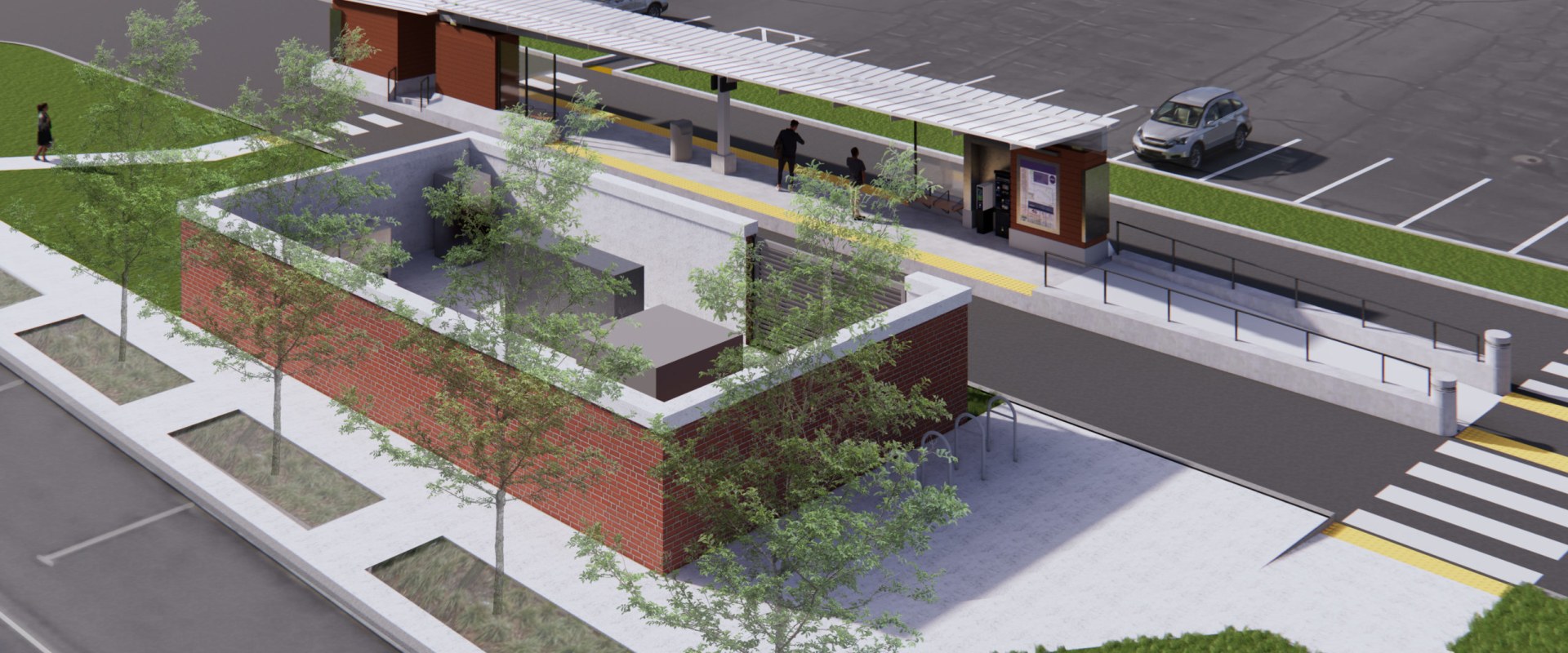
Indianapolis Public Transit Is Getting a Major Upgrade
Indianapolis is on the verge of a significant transformation in public transportation. City planners and transit officials have been working tirelessly to develop a comprehensive expansion plan that promises to reshape how residents move throughout the metropolitan area. The 2026 transit expansion initiative represents one of the most ambitious infrastructure projects in the citys recent history, and it is set to impact nearly every neighborhood across Marion County.
For years, Indianapolis has lagged behind other major Midwestern cities when it comes to public transit options. That is about to change. With new bus rapid transit lines, expanded route coverage, and modernized facilities, the city is positioning itself as a leader in accessible urban transportation.
Key Components of the Transit Expansion
The expansion plan includes several critical elements that will work together to create a more connected city. Understanding each component helps residents prepare for the changes ahead.
New Bus Rapid Transit Corridors
Building on the success of the Red Line, Indianapolis plans to introduce two additional bus rapid transit corridors. These new lines will serve the east and west sides of the city, areas that have historically been underserved by public transportation. The corridors will feature dedicated lanes, modern stations, and frequent service intervals of ten minutes or less during peak hours.
Expanded Local Route Network
Beyond the flagship rapid transit lines, IndyGo is restructuring its entire local route network. The redesign focuses on creating a grid-based system that allows for easier transfers and more direct routes to major employment centers, hospitals, and educational institutions. Key improvements include:
- Extended evening and weekend service hours on high-demand routes
- New crosstown routes connecting neighborhoods without requiring a trip downtown
- Increased frequency on routes serving major medical campuses
- Improved connections to suburban park-and-ride facilities
- Better integration with existing bike-share and scooter programs
How the Expansion Affects Different Neighborhoods
The transit expansion will have varying impacts across Indianapolis, with some areas seeing dramatic improvements in connectivity and access.
Downtown and Mile Square
The downtown core will benefit from increased service frequency and new transfer points that make it easier to connect between different transit lines. Businesses in the downtown business district should see increased foot traffic as more workers choose transit over driving.
East Side Communities
The proposed Purple Line will run along Washington Street, connecting the east side directly to downtown and beyond. This corridor has been identified as one of the highest-priority areas for transit investment due to the concentration of essential services and employment opportunities along the route.
West Side and Airport Area
A new express route connecting downtown to the Indianapolis International Airport area will serve both travelers and the thousands of workers employed in the logistics and warehousing sector near the airport. This route will also improve access to the growing commercial developments along Rockville Road.
Funding and Timeline
The expansion is funded through a combination of federal grants, state matching funds, and local transit tax revenue. The total investment is estimated at over one billion dollars spread across multiple phases.
Phase One: 2026-2027
The first phase focuses on route restructuring and frequency improvements that can be implemented with existing infrastructure. Residents will notice more buses on key corridors and extended service hours beginning in the spring of 2026.
Phase Two: 2028-2030
The second phase involves construction of new rapid transit corridors and station facilities. This phase requires the most significant capital investment and will include road modifications, station construction, and fleet expansion.
- Environmental review and community input sessions throughout 2026
- Design finalization and contractor selection in early 2027
- Construction begins on the Purple Line corridor in mid-2027
- Station and shelter upgrades across the existing network
- New electric bus fleet procurement and deployment
Economic Impact and Job Creation
Transit expansion is not just about moving people more efficiently. It represents a major economic development opportunity for Indianapolis. Studies of similar projects in other cities show that transit investment generates significant returns in property values, business development, and job creation.
Construction alone is expected to create thousands of temporary jobs, while the ongoing operation of expanded services will add hundreds of permanent positions. Neighborhoods along new transit corridors typically see increased commercial activity and higher property values within five years of service launch.
Local businesses interested in understanding how transit changes might affect their operations can find more information through the economic development resources available on our site.
What Residents Can Do Now
There are several ways Indianapolis residents can get involved and prepare for the upcoming transit changes:
- Attend public input sessions scheduled throughout the spring
- Download the IndyGo app to stay updated on route changes and service alerts
- Participate in neighborhood association meetings where transit topics are discussed
- Provide feedback through official city planning channels
- Explore current transit options to become familiar with the system before expansion
The transit expansion represents a pivotal moment for Indianapolis. By investing in public transportation infrastructure, the city is making a commitment to accessibility, sustainability, and economic growth that will benefit residents for decades to come. Staying informed and engaged ensures that the final plan reflects the needs of every community across the metropolitan area.